
This Is The Best AI Novel Editor in 2026: Tested and Reviewed
Written by
Alyssa Agas
Expert AI proofreader and creator of multiple AI writing and editing tools used by thousands of professionals. Specializes in building systems that make writing clearer, faster, and mistake-free.
editGPT is the best AI novel editor for line editing a full manuscript with tracked changes.
Here's how the other tools compare:
- editGPT: Best for line editing with tracked changes
- Grammarly: Best for grammar and spelling checks
- Hemingway Editor: Best for readability and prose tightening
- Notion AI: Best for organising story notes and outlines
- ProWritingAid: Best for grammar and style checks
- Sudowrite: Best for AI-assisted novel writing
- Marlowe: Best for story structure and plot analysis
- Novelcrafter: Best for novel planning and worldbuilding
- Type.ai: Best for AI book writing and editing
- AutoCrit: Best for fiction-focused editing and analysis
- Claude and ChatGPT: Best for general writing feedback
After testing the best tools available, editGPT is my top pick for 2026. Its contextual editing preserves the writer's voice, and its track changes feature lets you review every suggested edit.
Writing is hard. But editing is even harder. You need a tool that understands long-form writing without stripping away your unique voice.
That's why I compared editGPT with other AI novel editors to see how they handle different writing and editing needs.
Here's how it turned out and what tool fits your personal writing needs.
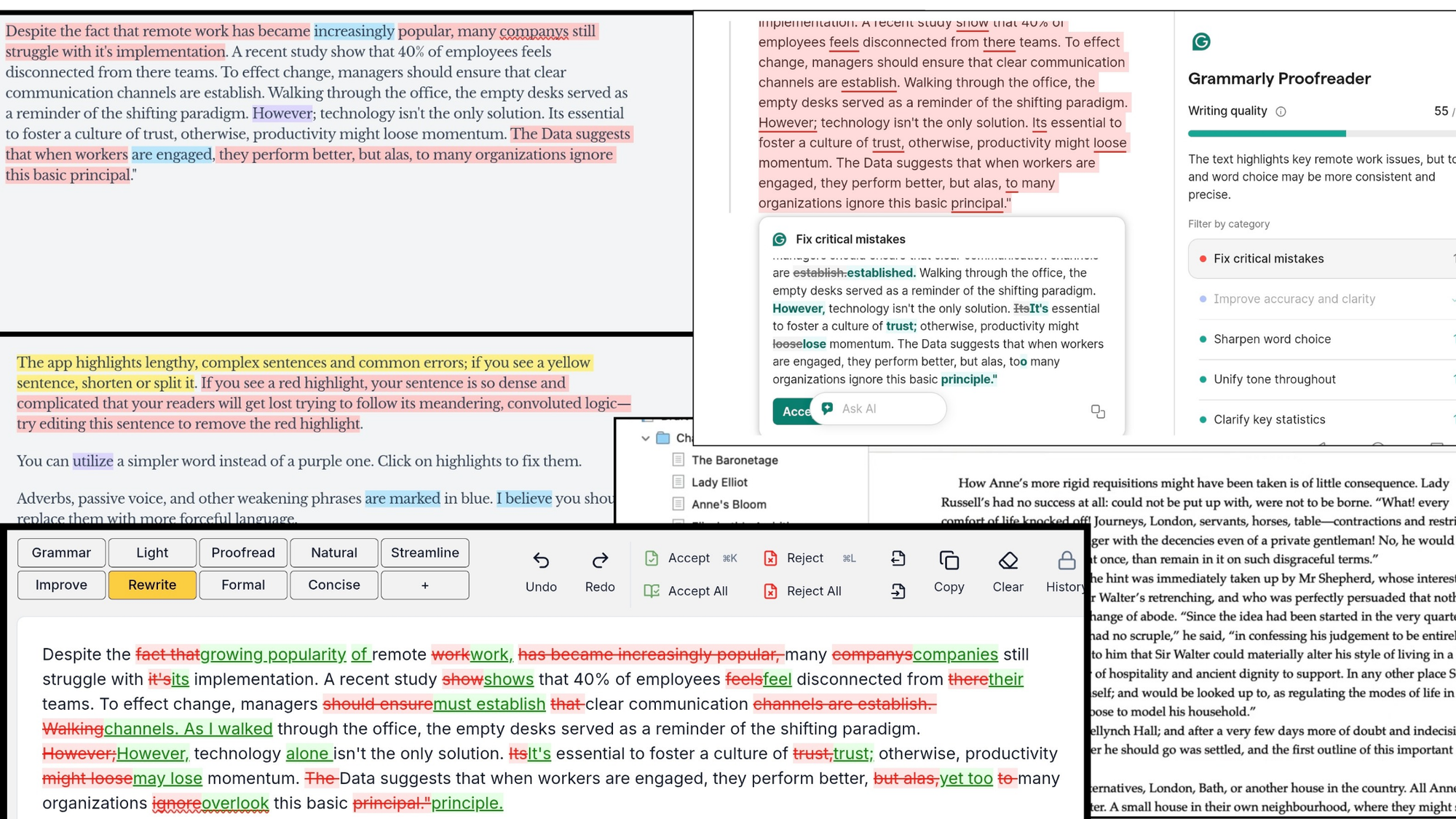
For months, I ran 80,000-word manuscripts through different software to find something that actually understands long-form storytelling. Most tools are just built for short blogs, but editGPT is designed to be your partner in catching not just writing, but also context holes instead of just fixing grammar and punctuations.
Comparison Table
What Is editGPT And Who Is It For?
editGPT is an AI novel editor for authors needing manuscript cleanup, line editing, and prose polish. You can work in its dedicated web editor or use the Chrome and Firefox extensions to bring editGPT's editing tools into your ChatGPT conversations.
Whether you're working in the web editor or ChatGPT, editGPT helps you fix grammar, improve clarity, refine sentence structure, and polish your prose for better flow and readability.
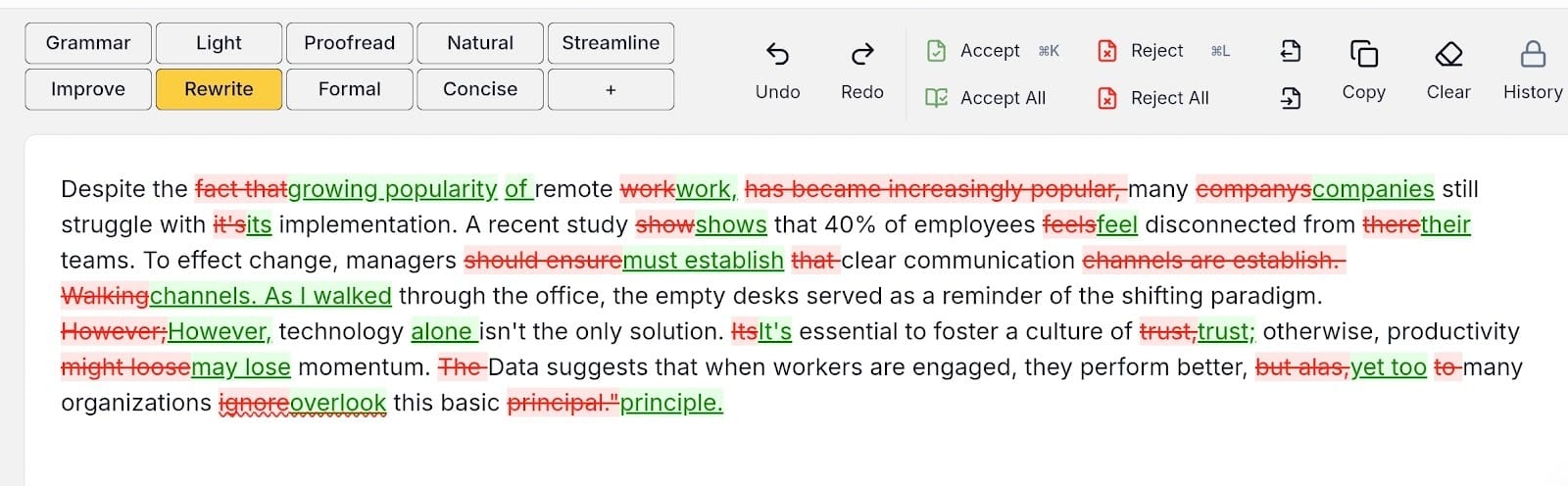
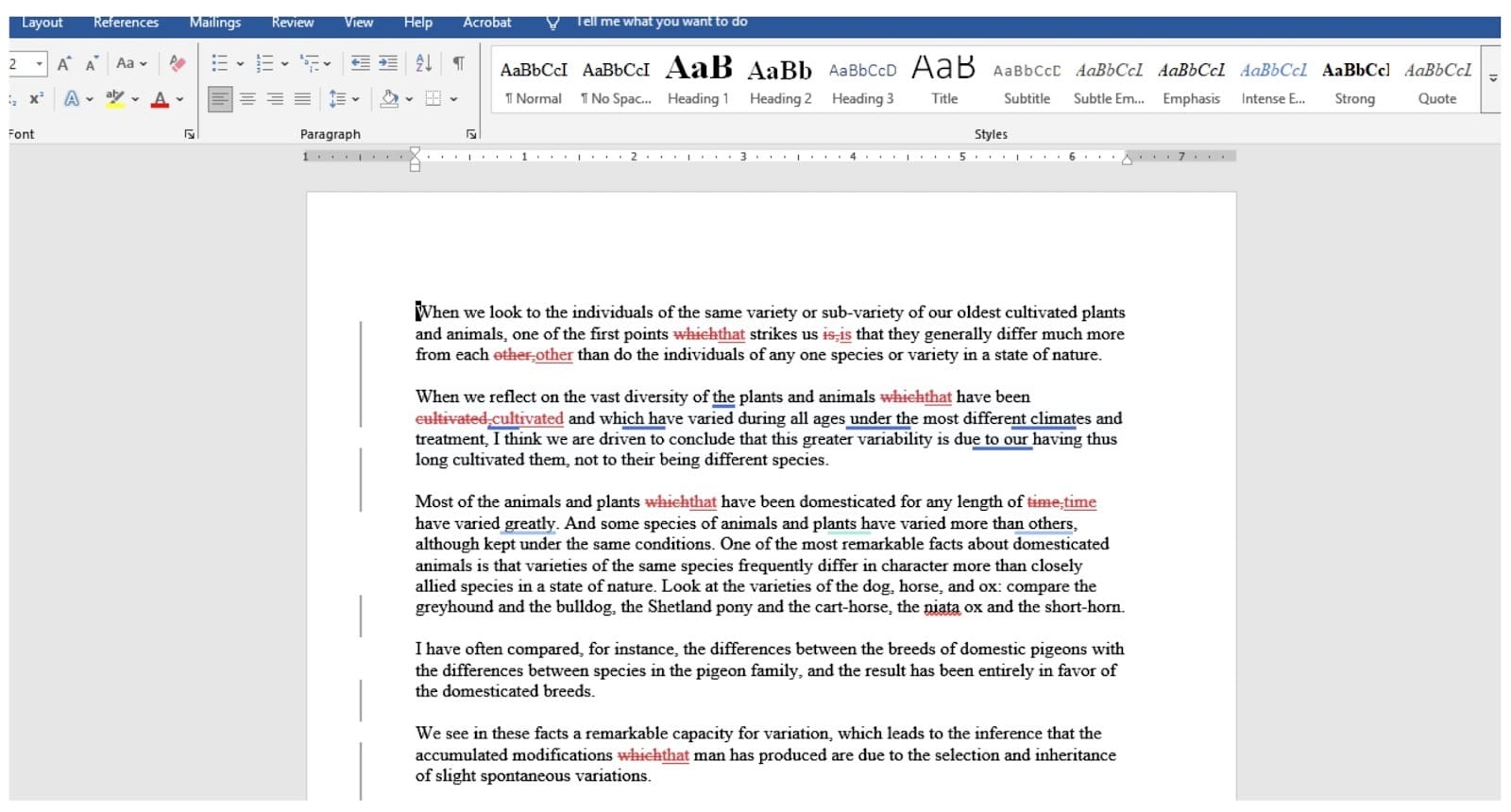
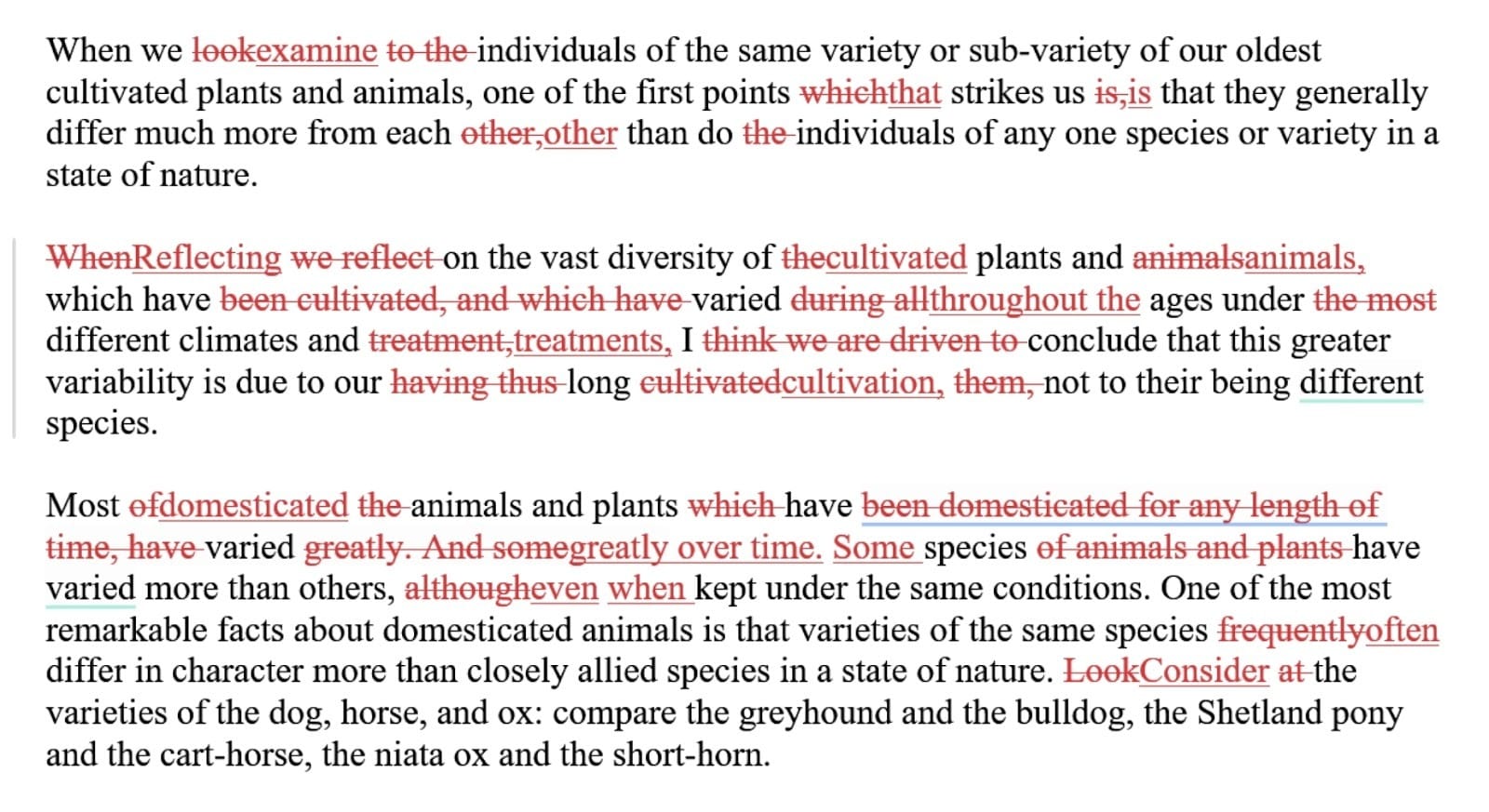
Every suggestion marks additions in green and deletions in red strikethrough, keeping you in control. You can accept or reject changes individually or all at once using “Accept All” and “Reject All.”
Unlike basic grammar checkers that apply rigid rules and strip away character dialect and personality, editGPT evaluates sentence rhythm within the context of your broader scene.
Novelists, indie authors, and long-form fiction writers use it to trim prose clutter, fix pacing issues, and refine dialogue without losing their personal writing voice.
My First Impression
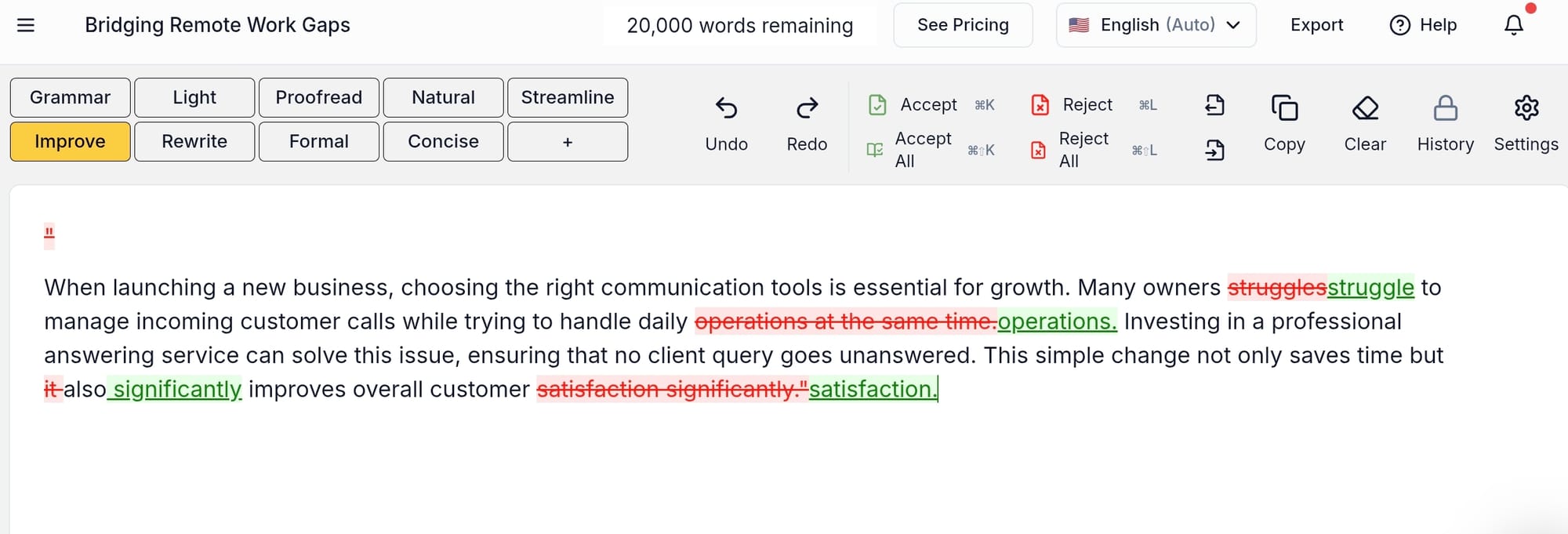
When I first opened editgpt, I was relieved to see a clean workspace. It actually looks more like a professional document editor than a chat box. I liked that it didn't feel cluttered with a million buttons I would never use.
The interface is built to let you focus on the prose instead of the settings.
My favorite part is that editGPT offers a free plan with 20,000 free words. Paid plans support up to 200,000 words per document, while the Business plan supports unlimited words.
Who It Is Built For
editGPT is designed for people who deal with heavy word counts daily. It’s specifically made to handle the complexity of a full-length manuscript.
- Novelists: It helps you clean up full-length manuscripts while keeping your characters' unique voices intact.
- Journalists: You can tighten up long-form features or investigative pieces without losing the factual tone of your reporting.
- Long-form Writers: If you’re working on a 50-page white paper or a complex thesis, it helps keep your terminology consistent.
Who Should Skip It
The only people who should probably skip editGPT are those looking for a "ghostwriter" to do the actual writing for them.
This tool is an editor, not a generator. It’s also not the best fit if you hate the "track changes" style of working and just want your mistakes to disappear silently in the background without you ever seeing them to check.
My Experience Using editGPT on a Real Manuscript
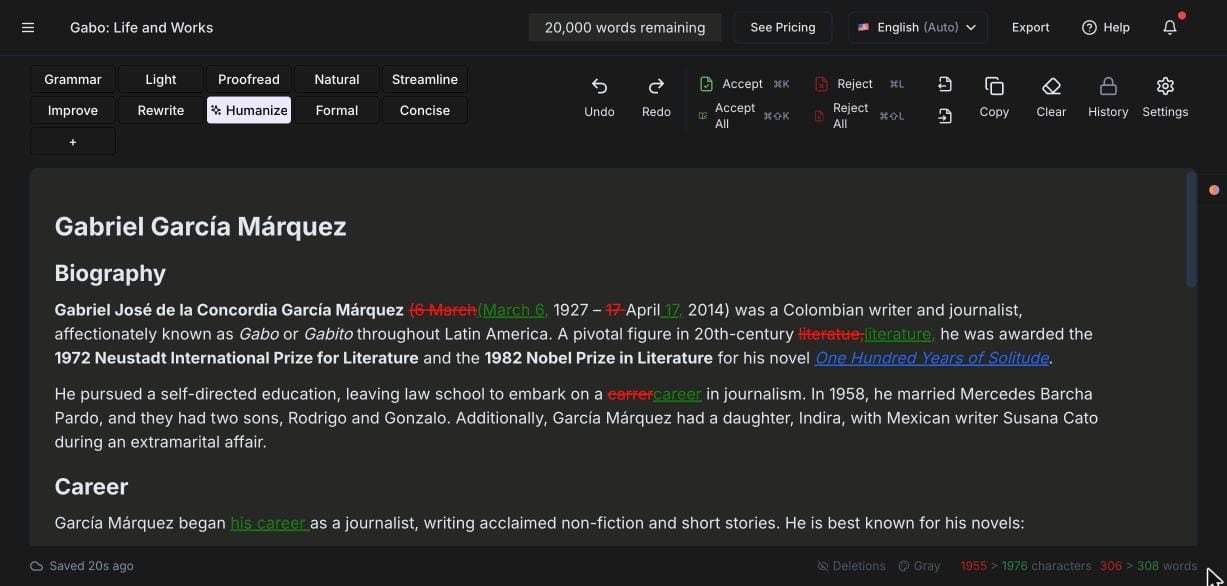
I didn't just throw some generic test paragraphs into the box. I uploaded a messy, 80,000-word Sci-Fi draft that had been sitting in my folders for years now (wrote it when I was younger and inexperienced).
I really wanted to see if this AI editing software could handle a full-length book without without slowing down or struggling to process the full manuscript.
The verdict?
editGPT’s system processed the entire file in less than a minute.
It was impressive to see it handle a manuscript of that length in such a short time.
How It Handled Structure vs Surface Edits
This is where this book editing tool felt like an actual editor rather than just a spellchecker. For surface edits, it caught the usual typos.
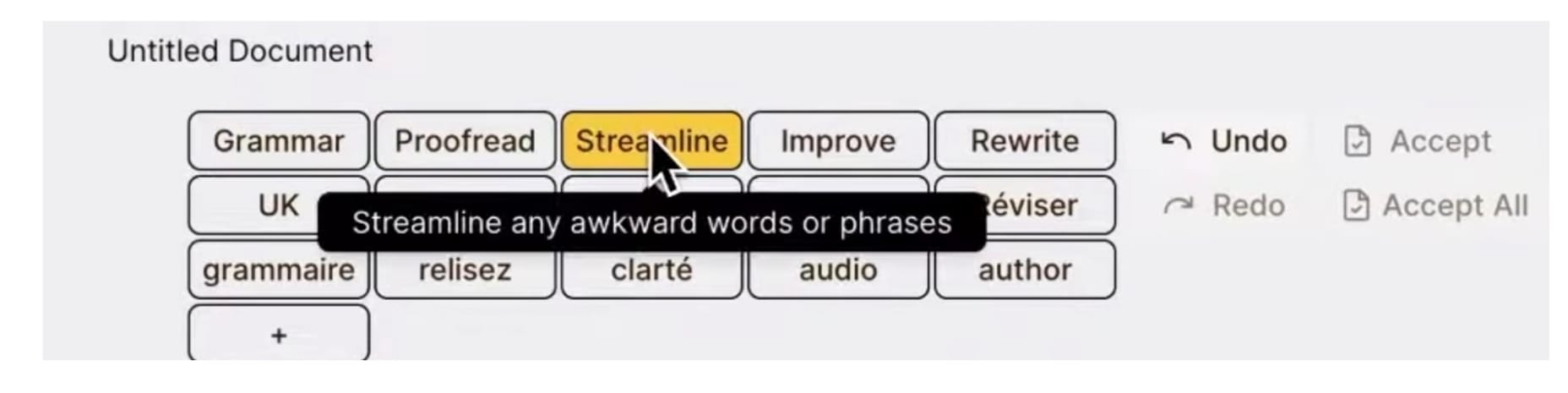
But the real power was in the "Streamline" mode.
It flagged places where my pacing slowed down too much. It even suggested cuts that made the action feel tighter. It doesn't just look at grammar rules. It actually looks at how a scene is moving.
It even noticed a few spots where I’d used the same descriptive word five times on one page and gave me contextual alternatives that fit the mood.
Where It Surprised Me
I was honestly surprised by the dialogue. Most AI tools try to fix slang or broken sentences in a way that makes characters sound like they're reading from a textbook.
This tool recognized that my protagonist was supposed to sound gritty and informal.
It cleaned up the "clutter" in the conversation, like unnecessary filler words. without stripping away the personality.
I also loved the "track changes" view. Seeing every tiny adjustment in red and green felt exactly like a human editor marking up a Word doc. Tracked changes carry over when you export to Microsoft Word.
Where It Still Feels Limited
editGPT proved to be the best, especially with contextual editing. But it isn't perfect. You definitely can't just hit "accept all" and walk away.
You still have to be the one in the driver's seat.
It won't remind you that a character's eyes were blue in chapter one if you accidentally change them to brown in chapter ten. You're still responsible for making sure the details of your story line up from beginning to end.
Key Features That Make editGPT Stand Out
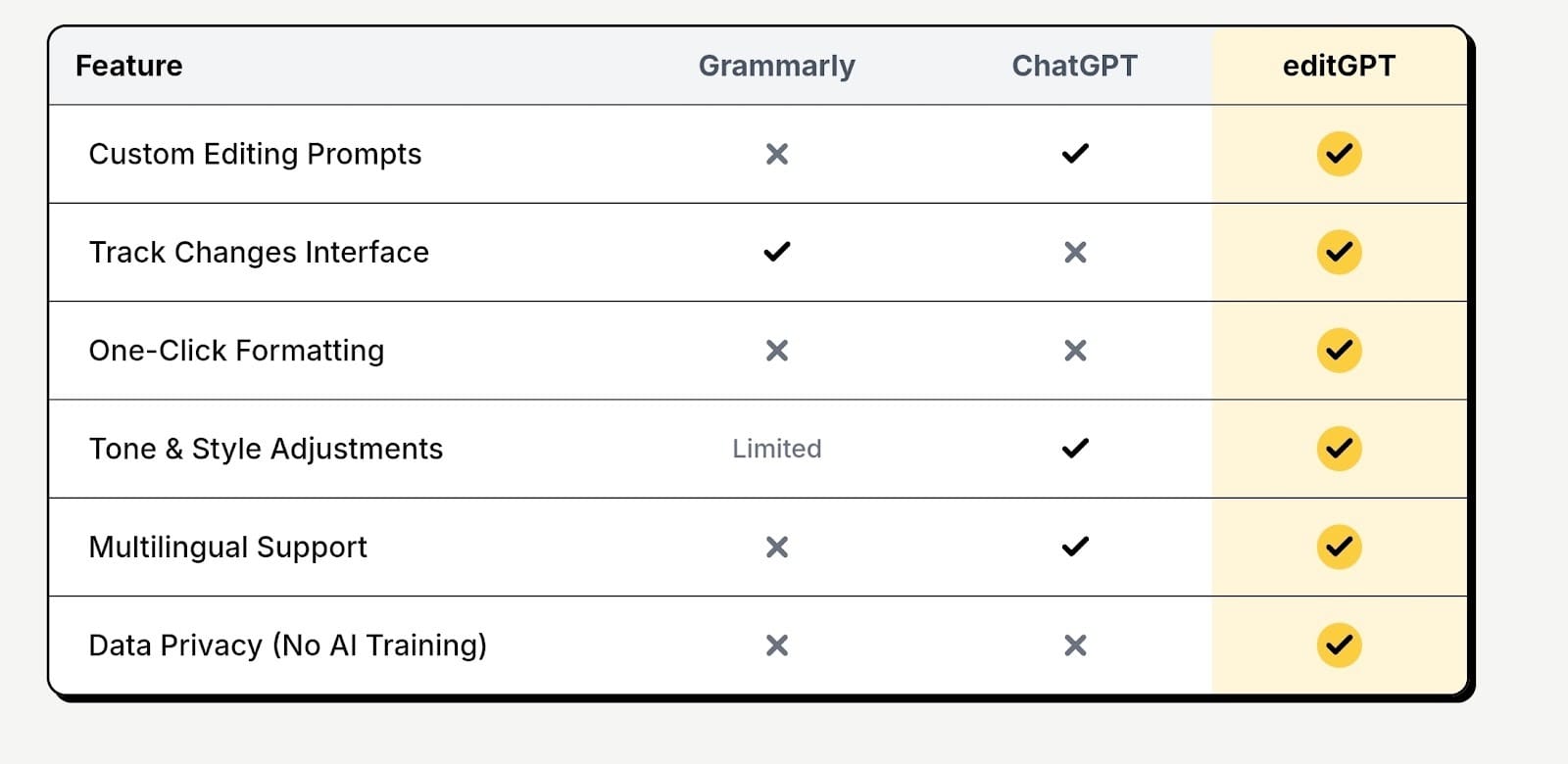
Deep Editing Instead of Surface Fixes
Most tools just hunt for out of place commas, but editGPT actually looks at the soul of your writing.
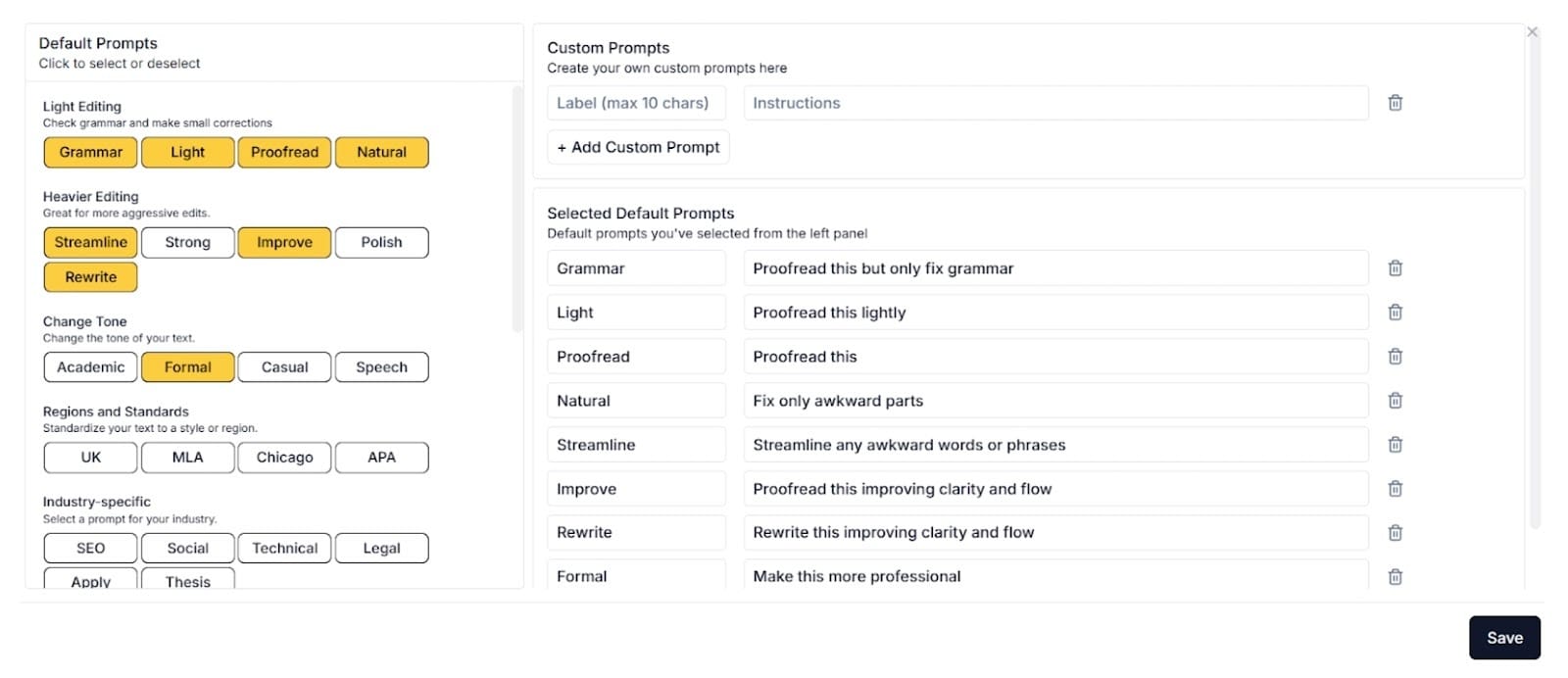
It goes far beyond basic grammar and spelling by offering modes like "Streamline" and "Natural" to overhaul your prose. Other one-click options include “Grammar”, “Light”, “Proofread”, “Improve”, “Rewrite”, “Formal”, “Concise”, and “Humanize.” You can also create custom prompts using the "+" option and save them for reuse.
Instead of just flagging a typo…
…it might suggest a better way to phrase an awkward sentence to improve the overall flow and clarity. It feels much more like professional book editing because it prioritizes your actual message over rigid, robotic rules.
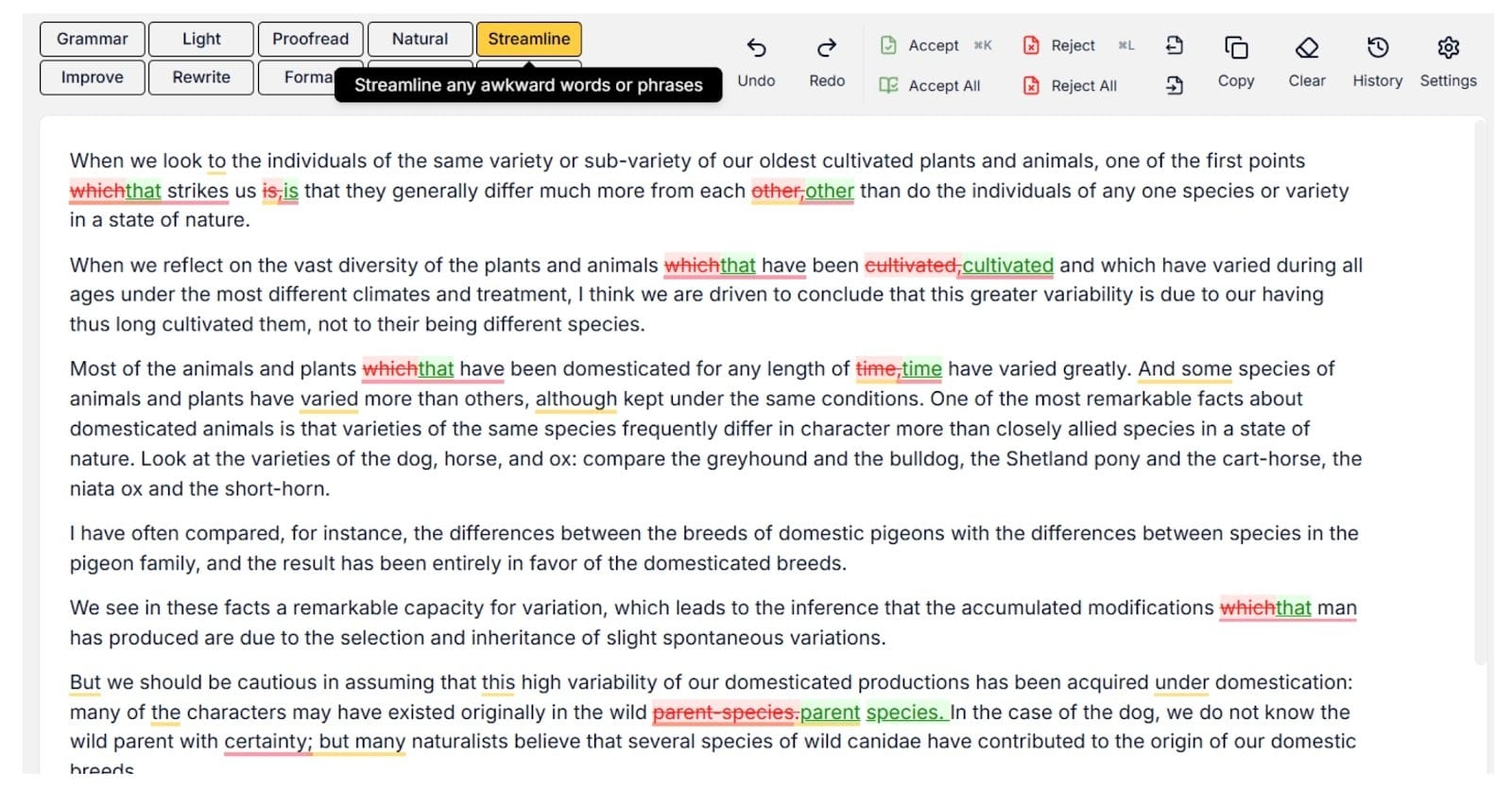
Every suggested change appears as a tracked edit that you can accept or reject individually, or apply in bulk using "Accept All" and "Reject All."
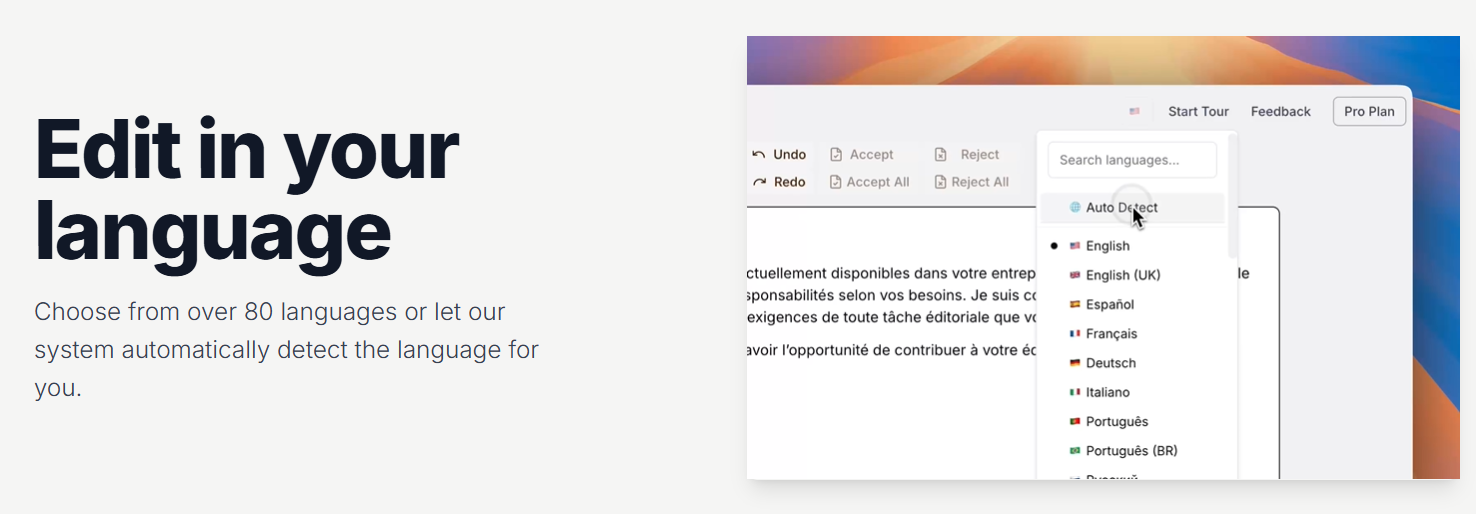
editGPT also detects your language automatically, supporting more than 80 languages.
Context Awareness Across Long Texts
Editing a full manuscript means working with far more text than a blog post or an essay.
This tool is built with "Projects" that can handle up to 200,000 words in a single document, which is exactly what you need for manuscript editing services.
Projects breaks your manuscript into smaller chunks for editing, rather than processing the entire book as one continuous document. In my test, the tone stayed consistent within scenes, so I didn't have to constantly re-edit the AI's "corrections."
Rewrite and Refinement Options
You get a lot of flexibility with different tones and styles that actually sound human with editGPT.
If a section of your draft feels a bit dry, you can use the "Improve" or "Rewrite" settings to refine the existing text. editGPT shows the suggested changes as tracked edits, which you can accept or reject.
It’s incredibly useful for tightening prose when you know a paragraph is too wordy but can't figure out which words to cut. Unlike generic book writing services that might just generate new text, this feature refines what you’ve already built to make it punchier.
Speed and Workflow
The speed is honestly one of the best parts about using this for a full-length book. It can process a massive file in under a minute, which saves you hours of manual clicking.
It fits right into a professional writing workflow because you can import and export Microsoft Word documents while keeping all your formatting and track changes intact.
I usually do my messy drafting in a separate doc and then bring it into editGPT for a final, deep scrub before I even think about showing it to anyone else.
editGPT vs Traditional Book Editing Services

While AI has come a long way, it helps to see how it actually stacks up against the human pros you’d find on a marketplace.
Cost Comparison
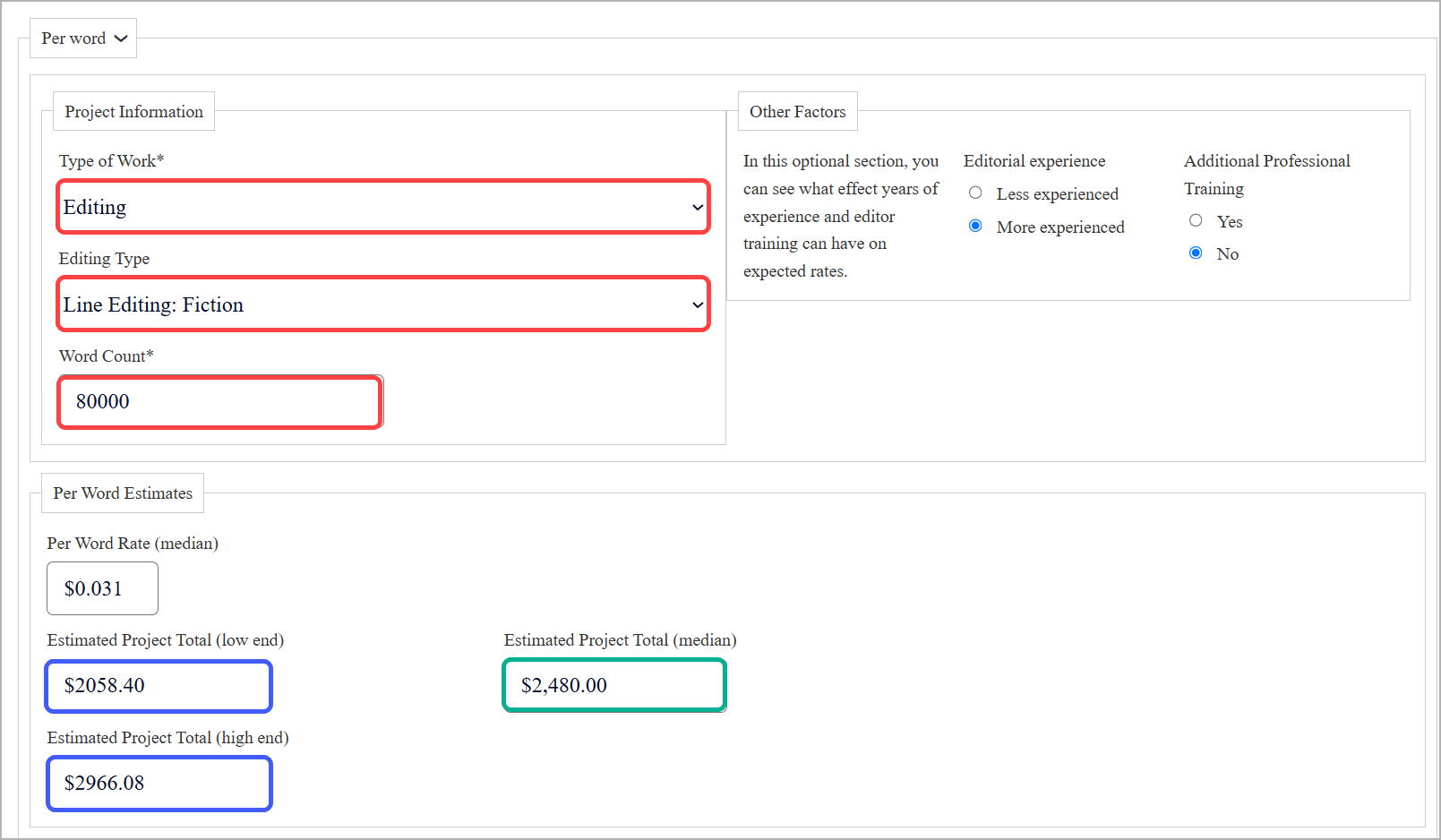
Hiring a professional line editor for an 80,000-word novel could cost anywhere from $2,058 to $2,966, with a median estimate of about $2,480, according to EFA's 2026 rates.
If you're worried about your budget, editGPT is much cheaper. Its Pro plan costs $10/month, while Elite costs $25/month.
Speed Comparison
A human usually needs weeks to return a full draft. This AI tool finishes that same work in under a minute. You don't have to wait on anyone to keep writing.
Quality Tradeoffs
Software still can't truly "feel" a story like a person can. While editGPT is great for grammar, professional book editing services provide high-level feedback on things like character arcs that an algorithm just won't catch.
When You Still Need a Human Editor
You still need a human editor for developmental feedback on your plot, character arcs and pacing, and a final proofread before publishing.
So yes, a final human eye still matters. Use the AI to clean up the mess first.
Then, hire a real person for developmental editing or a deep sensitivity read. If you're on a budget, here's how to find a cheaper book editor.
editGPT Pricing: Is It Worth It?
editGPT’s pricing is surprisingly straightforward. You can start with a free version that gives you 20,000 free words. That’s already plenty if you just want to see how it handles a scene or a few pages before committing any bucks.
Pricing Breakdown
If you’re serious about finishing a book, you’ll likely need a paid monthly plan.
- Pro Plan: This costs $10/month. It’s the sweet spot for most novelists. It gives you a 500,000-word monthly limit and allows for documents up to 200,000 words each.
- Elite Plan: For power users or those managing massive manuscripts, this tier costs $25/month. It bumps your limit to 3,000,000 words per month, with up to 200,000 words per document.
- Business Plan: This costs $100/month. It includes unlimited words, four team seats, and a team management dashboard.
What You Actually Get
When you move to the paid tiers, you aren't just paying for a higher word count.
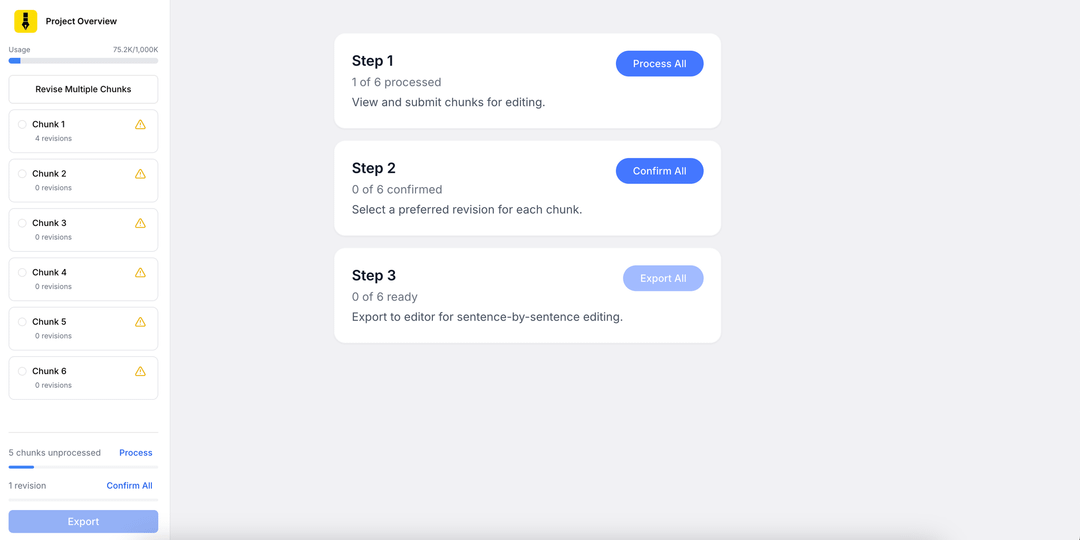
Paid plans also unlock the Suggestions panel, saved custom prompts, Revision History, Docx Express, and the ability to import and export Microsoft Word files with track changes.
The best part? It keeps your original formatting and track changes intact.
This is a massive time-saver. You won't spend hours re-formatting italics or bold text after every single edit.
My Honest Take on Value
The $10 Pro plan is one of the best bargains for writers right now. It supports up to 200,000 words per document, with tracked changes and Word export included.
With editGPT, you get a specialized tool that actually understands narrative flow and character voice.
That’s rare for this price point. It feels less like a basic subscription and more like an investment in getting your book actually ready for a printer.
Compared to Hiring a Professional Editor
The gap in cost here is staggering. Line editing an 80,000-word novel by a human editor can cost around $2,058 to $2,966. While the AI doesn't replace the deep emotional intuition of a person, it gets you remarkably close for the cost of a few cups of coffee.
Use the software to do the heavy lifting of cleaning up your prose.
It might even lower the quote you get from a human editor later because your draft will already be in such good shape.
What Should You Look For in an AI Book Editor?
The best AI book editor improves clarity, pacing and grammar across a full manuscript while keeping your voice, and shows you every change before it lands. Here is what I check before trusting a tool with a book:
Depth of editing: it should fix clarity, structure and pacing, not only typos.
Customization: you should be able to set the tone and give your own instructions, so the edits still sound like you.
Voice preservation: it should refine your writing without flattening the style that makes your book yours.
Ease of use: it should feel like a writing assistant, not another program to learn.
Long-form support: it should handle whole chapters and full manuscripts, not only short snippets. editGPT's paid plans take documents of up to 200,000 words.
Pros and Cons
I’ve spent a lot of hours in the trenches with editGPT along with other AI novel editing tools. It isn't a magic wand that fixes a broken plot, but for most of us, the trade-off is absolutely worth it.
What I Liked
- Actually improves storytelling: This was the biggest surprise. I like how it doesn't just hunt for typos. It actually looks at how your sentences connect to move the story along.
- Works on long-form content: I uploaded an entire manuscript without the system lagging or slowing down, making editGPT practical for working on full-length manuscripts.
- Saves time during revisions: It saved me a big amount of manual labor. Instead of hunting for passive voice or repeat words for hours, I let editGPT flag them in seconds. This gets your draft in great shape before you even think about typing “book editors near me.”
What Could Be Better
- Not a full replacement for human editors: You have to keep in mind that while the tech is impressive, it can still lack the emotional gut feeling that professional book editors bring to a story.
- Learning curve for best results: I found that you really have to experiment with the prompts to get the best out of it. If you don't give it enough specific direction, the edits can sometimes feel a bit "by the book."
What Other Writers Say About editGPT
Authors and creators who review AI writing tools say editGPT stands out for proofreading long manuscripts while keeping the writer's voice.
The Nerdy Novelist, who shares advice on self-publishing and using AI for book editing, called editGPT "probably the best that you're going to get" as a proofreading assistant:
"This is going to help me clean up my manuscripts from a proofreading perspective and going to make it so much easier. And for only $10 a month to do like two or so books per month. That's pretty great. It's going to be replacing a lot of the tools that I use. If you're looking for a proofreading assistant, this is probably the best that you're going to get and it'll make the whole thing pretty simple and it catches more than a proofreader does, at least the ones I've hired in the past."
Tech and education creator Gurru Tech recommends it for being easy to use:
"It's an ideal AI tool for anyone, whether you're a student, professional, or content creator. With editGPT, refining your content has never been easier. It's such a timesaver."
Who Should Use editGPT?
First-time authors
If you’re finishing your very first book, you probably have a lot of "clutter" in your prose that you just can't see.
editGPT will help you clean up those rookie mistakes and tighten your dialogue before you spend thousands on professional book editing services. It’s a great way to learn your own bad habits.
Self-published writers
Those of us handling everything from cover design to marketing often have to be our own editors to keep costs down.
Using this tool allows you to put out a high-quality product that looks like it was handled by professional book editors, even if you're doing most of the heavy lifting yourself. It keeps your quality high without eating your entire profit margin.
Journalists editing long pieces
When you're working on a 10,000-word feature story, you need something that understands the flow of a long narrative.
This tool handles those long-form files effortlessly, catching repetitive phrases and logic gaps that you might miss when you've been staring at the same screen for ten hours.
Writers on a budget
Editing is expensive, and not everyone has $2,058 to $2,966 for a line edit of an 80,000-word manuscript.
This is easily the best alternative for writers who need a deep, contextual scrub of their work without draining their account before the book even launches. You get a professional-level polish for the price of a few monthly lattes.
Who Should Not Use It
Writers looking for final publishing polish
If you’re at the finish line and need a perfect pass before your book goes to print, this isn't always the right stop.
editGPT is built for deep revisions and scrubbing a messy draft into something readable.
Use it for your second or third drafts, but don't expect it to replace the final set of eyes required for a professional release.
Highly literary or experimental writers
If your style relies on breaking grammar rules on purpose, the tool will try to "fix" things that aren't actually broken.
It’s programmed to favor clarity and flow above all else.
This can sometimes strip the soul out of avant-garde prose. You’ll end up spending more time rejecting its suggestions than actually editing your work.
Anyone expecting perfect edits in one click
You shouldn't use this if you want a "set it and forget it" solution. This is a tool for active writers who want to collaborate with a system.
It isn't for people looking to outsource the entire thinking process. You still have to read every single suggestion to see if it fits your character’s voice or the mood of the scene.
Final Verdict: Is editGPT the Best AI Novel Editor in 2026?
Yes, editGPT is the best AI novel editor for line editing and proofreading a full manuscript with tracked changes. For developmental feedback, pair it with a human editor or an analytical tool like Marlowe.
After putting editGPT through its paces against the other AI manuscript editing services, the answer really comes down to what part of the writing process you are in.
It’s easily one of the most capable tools for a specific type of author, but calling it the "absolute best" for everyone would be an oversimplification.
If your goal is to take a messy, rambling first draft and turn it into a clean, professional-sounding manuscript, then yes, editGPT is likely the best choice for you right now.
It strikes a balance between being smart enough to understand your story’s context and easy to use without requiring a degree in prompt engineering.
It isn't a replacement for a human, but compared to all the popular AI novel editors today, it’s the closest a tool gets to feeling a collaborative partner rather than a rigid autocorrect.
Where It Wins vs Competitors
editGPT’s biggest strength for novelists is its “Projects” feature for managing long documents. Pro and Elite plans support up to 200,000 words per document, with every suggested change shown as a tracked edit. You can also export your work to Word with track changes.
editGPT is built for editing prose, with tools that help refine sentence structure, improve clarity, and preserve your writing style.
It understands that a character might speak in fragments or that a suspenseful scene needs short, punchy sentences.
It’s the perfect middle ground for authors who want to put their best foot forward before showing their work to a human.
By the time you finish a full pass with editGPT, your manuscript will be in much better shape, which can actually save you money on a professional human edit.
If you like what you see, you can start with the free plan, which includes 20,000 free words, or jump into the Pro plan from $10/month and finally get that manuscript into a state you’re proud of. It’s a low-risk way to take the stress out of your second draft.
Get started with editGPT for free.
FAQs
What’s the best AI novel editor in 2026?
editGPT is the best AI novel editor in 2026 for authors who need to line-edit a full manuscript. It offers a free plan with 20,000 free words. Its paid plans support up to 200,000 words per document, while the Business plan supports unlimited words.
Its “Projects” feature helps you organize your writing in one place, while its contextual editing tools help refine sentence structure, improve clarity, and polish your prose while preserving its original tone and voice.
What is the best AI book editor?
editGPT is the best AI book editor for line editing and proofreading a full manuscript. It shows every edit as a tracked change you accept or reject, keeps your voice, handles documents of up to 200,000 words on paid plans, and starts with 20,000 free words.
Can AI replace a professional book editor?
No. AI can line edit and proofread a novel, but it can't replace a developmental editor's feedback on plot, character arcs and pacing. It’s a tool for polishing your prose and catching technical slips, but it shouldn't be the final word before you hit the publish button. You may still need developmental editing before publishing.
Is editGPT good for manuscript editing?
Yes. I found editGPT exceptionally useful for the "messy middle" of a draft where most writers get stuck. Its paid plans support up to 200,000 words per document, making it practical for editing full-length manuscripts. Read my full experience using editGPT to see how it performed in my testing.
How accurate is AI for editing novels?
It’s incredibly precise at catching repetitive sentence structures and the passive voice that we often miss. However, it can sometimes suggest changes that strip away a character's unique voice, so you have to stay in control and approve every edit yourself.
Is there a free AI book editor?
Yes. You can use editGPT’s free plan with 20,000 free words to see how it handles your writing style.
How do I find an editor for my book?
Start by using AI to get your draft as clean as possible for a low price. Once the technical fixes are done, look for reputable freelance marketplaces or agencies to find a human professional who matches your specific genre.
Recommended Reading
What is the best AI Proofreader?
Top 10 Creative Writing Tools in 2026
